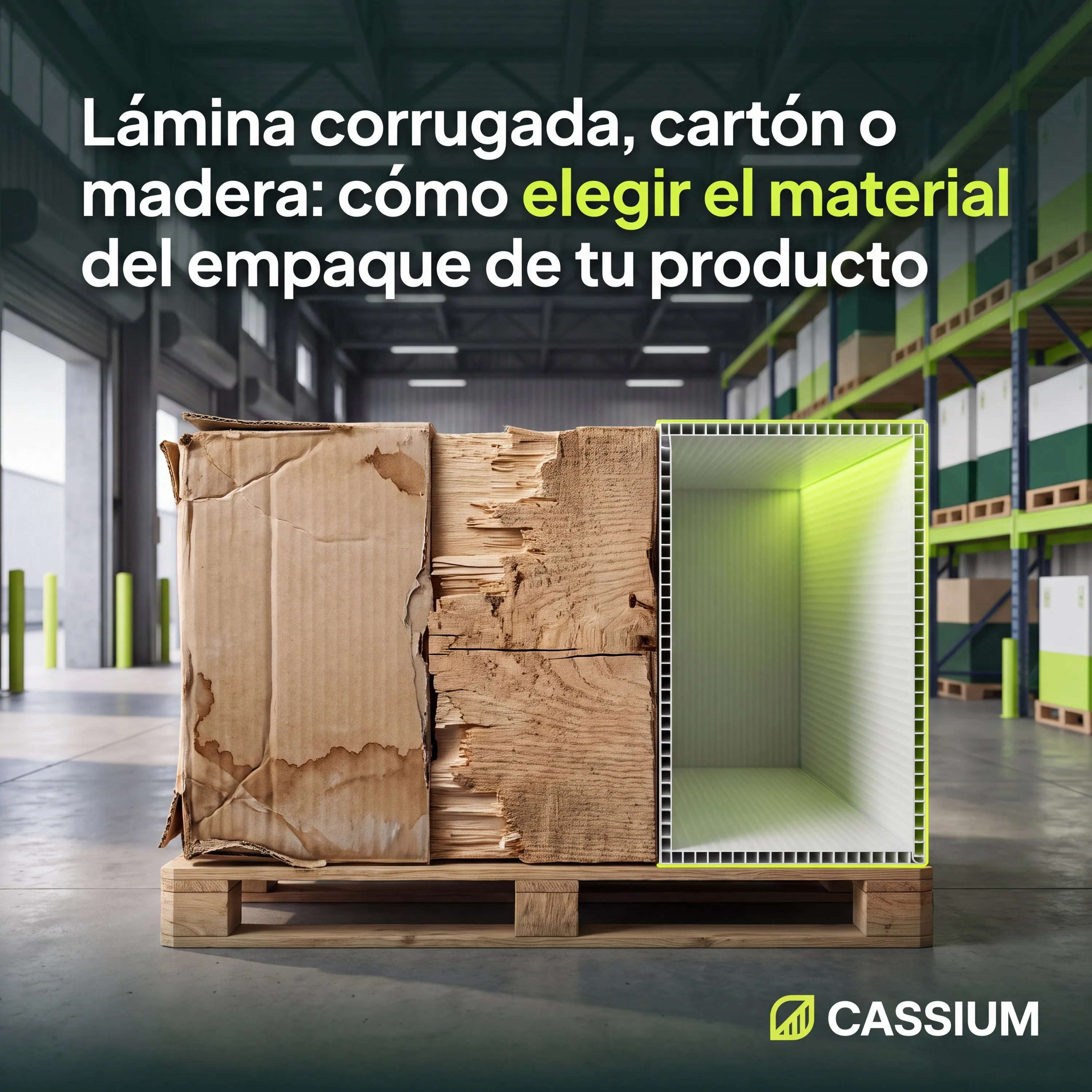
Cardboard, wood, and corrugated plastic sheet solve the same problem in very different ways: cardboard is inexpensive but vulnerable to moisture, wood is strong but heavy and prone to splintering, and corrugated sheet combines strength, light weight, and the ability to be reused across repeated cycles.
Why Comparing Only Price Per Piece Leads to the Wrong Decision
Comparing cardboard, wood, and corrugated sheet only by initial purchase price ignores the rest of the costs each material generates over its full usage cycle.
The Real Cost Includes Replacement, Product Damage, and Handling
The price per piece of a packaging material is only part of the real cost. Replacing damp cardboard every few cycles, replacing splintered wood pallets, or paying extra labor for a heavy package's weight are costs that rarely show up in the initial comparison but add up month after month.
Each Material Solves a Different Problem, Not the Same One
Cardboard is a good fit for single-use shipping on a tight budget. Wood is a good fit for heavy loads that demand structural strength. Corrugated sheet is a good fit for repeated handling that needs to withstand moisture and cycles without losing integrity. Comparing all three as if they were interchangeable options ignores that each one was designed for a different scenario.
Cardboard: When It's the Right Choice and When It Falls Short
Cardboard has been the default packaging material in most industries for decades, and that habit carries as much weight as any technical analysis when deciding whether it's worth switching.
Cardboard's Strengths: Low Initial Cost and Availability
Cardboard remains the most economical option per piece and the easiest to source in any region. For single-use shipments, handled carefully and with no exposure to moisture, it does its job efficiently.
Where It Falls Short: Moisture, Repeated Cycles, and Rough Handling
Cardboard is porous cellulose fiber by nature: it retains moisture, softens with use, and sheds fiber at the edges under repeated handling. Cardboard packaging that gets reused several times starts failing exactly where it most needs to hold up: corners and edges that see frequent handling.
Wood: When It's the Right Choice and When It Falls Short
Wood is seen as the robust alternative to cardboard once a product's weight starts exceeding what a lightweight package can support without deforming.
Wood's Strengths: Structural Strength for Heavy Loads
Wood offers real structural strength for heavy loads, and it remains a common choice for pallets and crating of bulky or heavy parts.
Where It Falls Short: Weight, Splinters, and Export Restrictions
Wood's extra weight increases freight cost on every shipment. Splinters pose a safety risk for personnel handling the package, and several countries require certified phytosanitary treatment to accept wood packaging on import, an additional requirement plastic sheet doesn't face.
Corrugated Plastic Sheet: Where It Wins Against the Other Two Options
Corrugated polypropylene sheet combines some of the advantages of cardboard and wood without inheriting their main weaknesses, which explains why more and more plants are evaluating it as a direct replacement for both materials.
Withstands Moisture and Repeated Cycles Without Losing Integrity
Unlike cardboard, corrugated plastic sheet doesn't absorb moisture or soften with use. It can be washed, dried, and put back into the handling cycle the same day, keeping its structural integrity run after run.
Lighter Than Wood, More Durable Than Cardboard
Corrugated sheet weighs considerably less than wood of equivalent strength, which reduces freight cost, and lasts far more usage cycles than cardboard before needing replacement. That combination is what positions it as a real alternative when cardboard falls short and wood turns out heavier than necessary.
How to Decide Which Material Fits Your Specific Product
Define the Problem You're Solving First, Not the Material You Already Know
Before deciding, define precisely what problem you're solving: moisture damage, excessive weight, splinters, or simply replacing packaging too often. The right material depends on the specific problem, not the habit of sticking with the same material as always.
Consider the Usage Cycle: Single Shipment or Repeated Handling
If your packaging is used once and discarded, cardboard can still be the most cost-efficient option. If your packaging gets reused across multiple handling cycles within your operation or in a closed loop with your customer, corrugated sheet starts to justify its higher initial investment over cardboard.
At Cassium we manufacture corrugated polypropylene sheet in gauges from 2 to 6 mm, with our own extrusion at our Monterrey plant. If your company is comparing packaging materials for a specific problem, we're happy to go over with you which gauge and which variant fits your application.