
One material, many ways to use it.
Real cases of how industry applies coroplast.A new idea every week in your inbox.
Weekly newsletter: only what works on the plant floor.
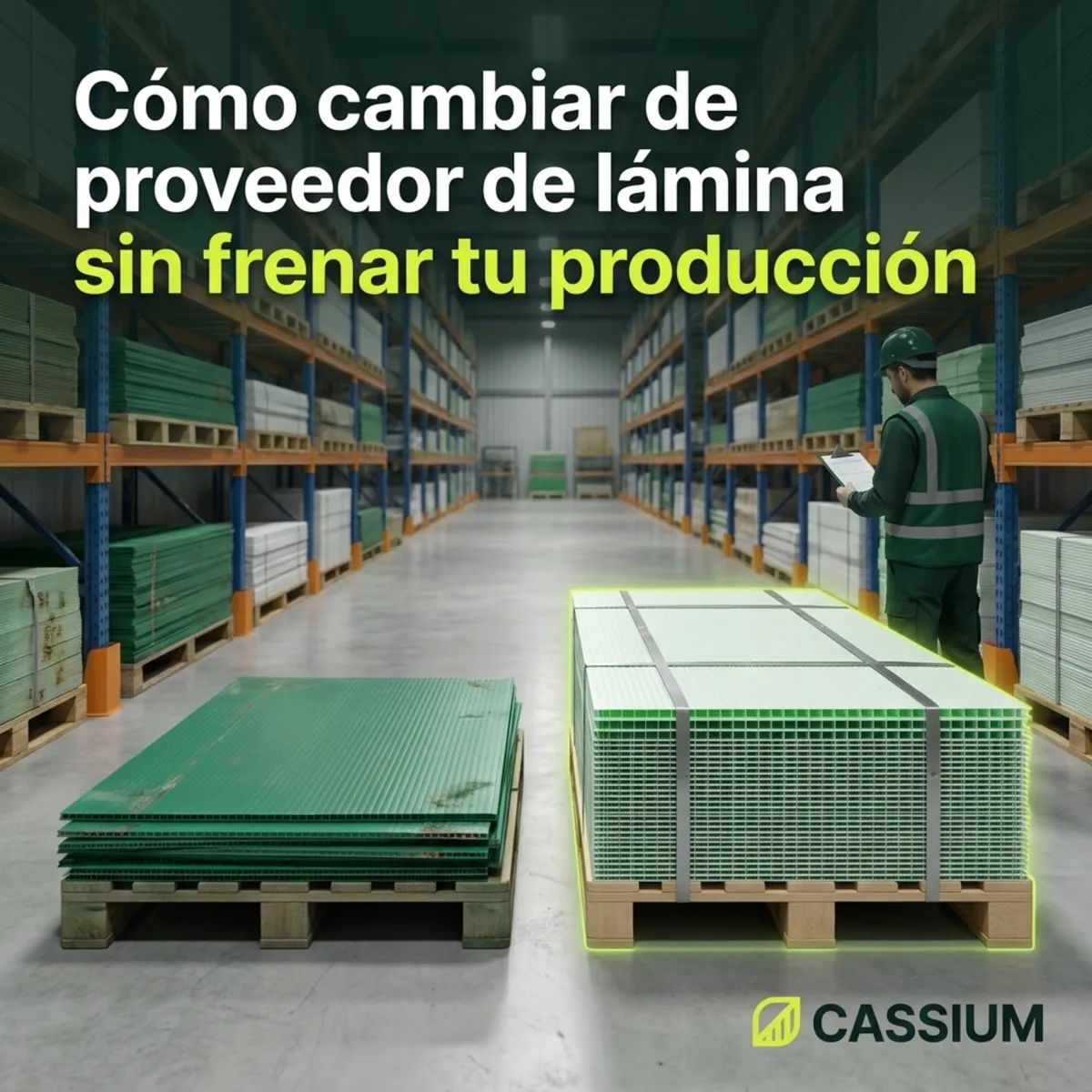
How to Change Sheet Suppliers Without Stopping Production
An orderly switch means validating the sample, overlapping inventory, matching real gauge and dimensions, and checking the paperwork before the first order.
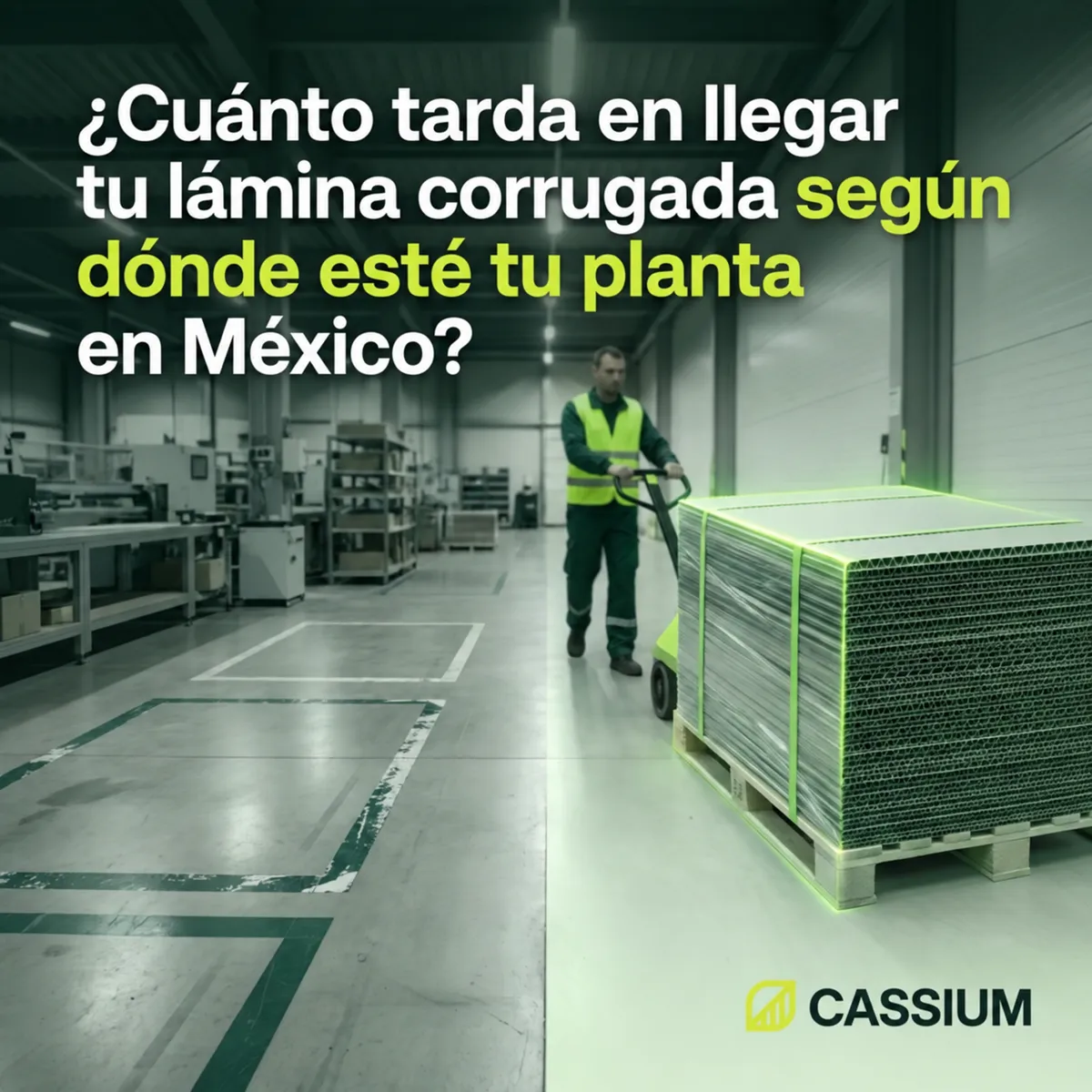
Corrugated Sheet Lead Times by Region in Mexico
Lead time comes down to four variables: distance from Monterrey, freight type, gauge availability, and whether the sheet is standard or custom cut.
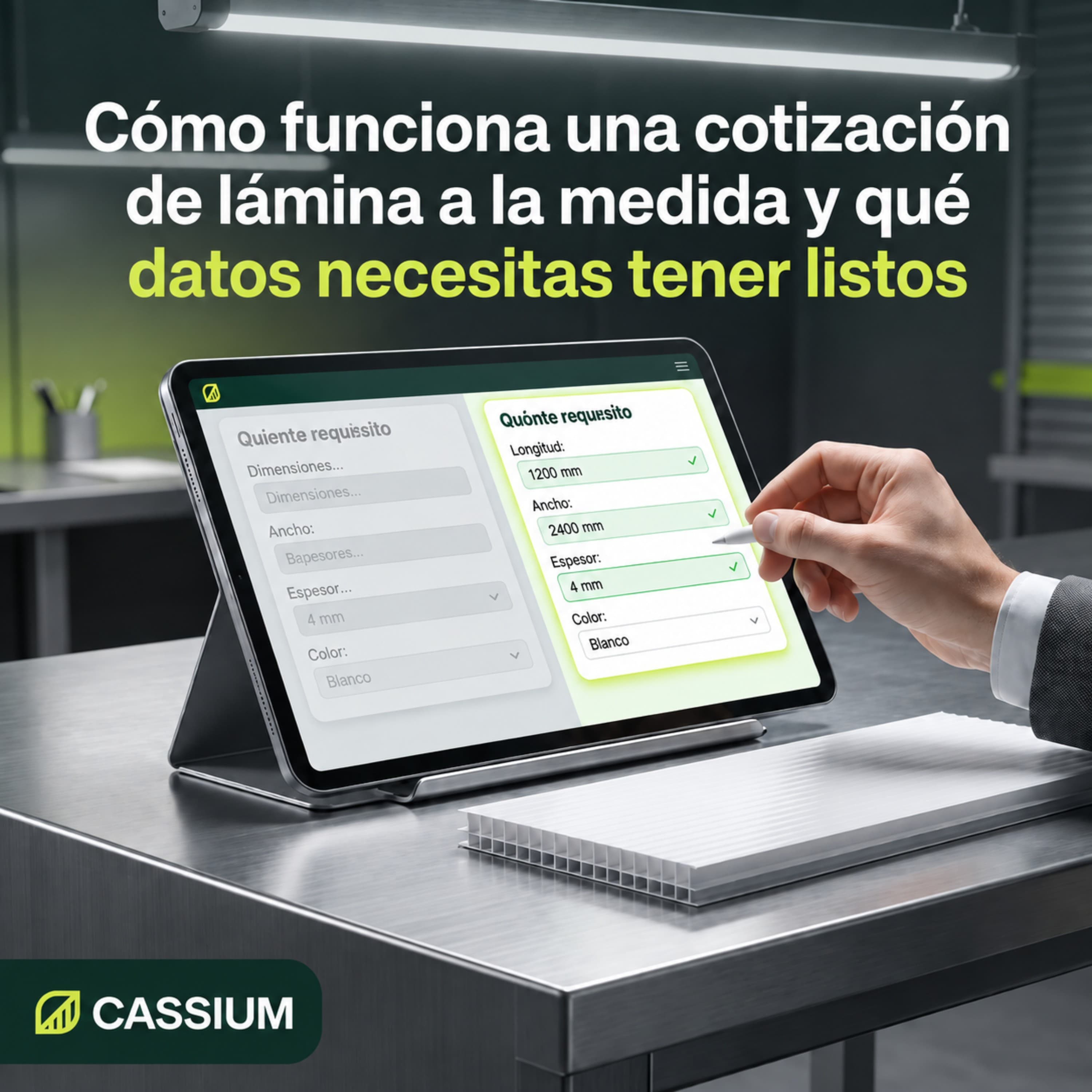
How a Custom Sheet Quote Works and What Data You Need Ready
An accurate quote comes down to five data points: exact dimensions, required gauge, technical variant, volume, and frequency. Gathering them before the first contact cuts the process down to a single round of emails.
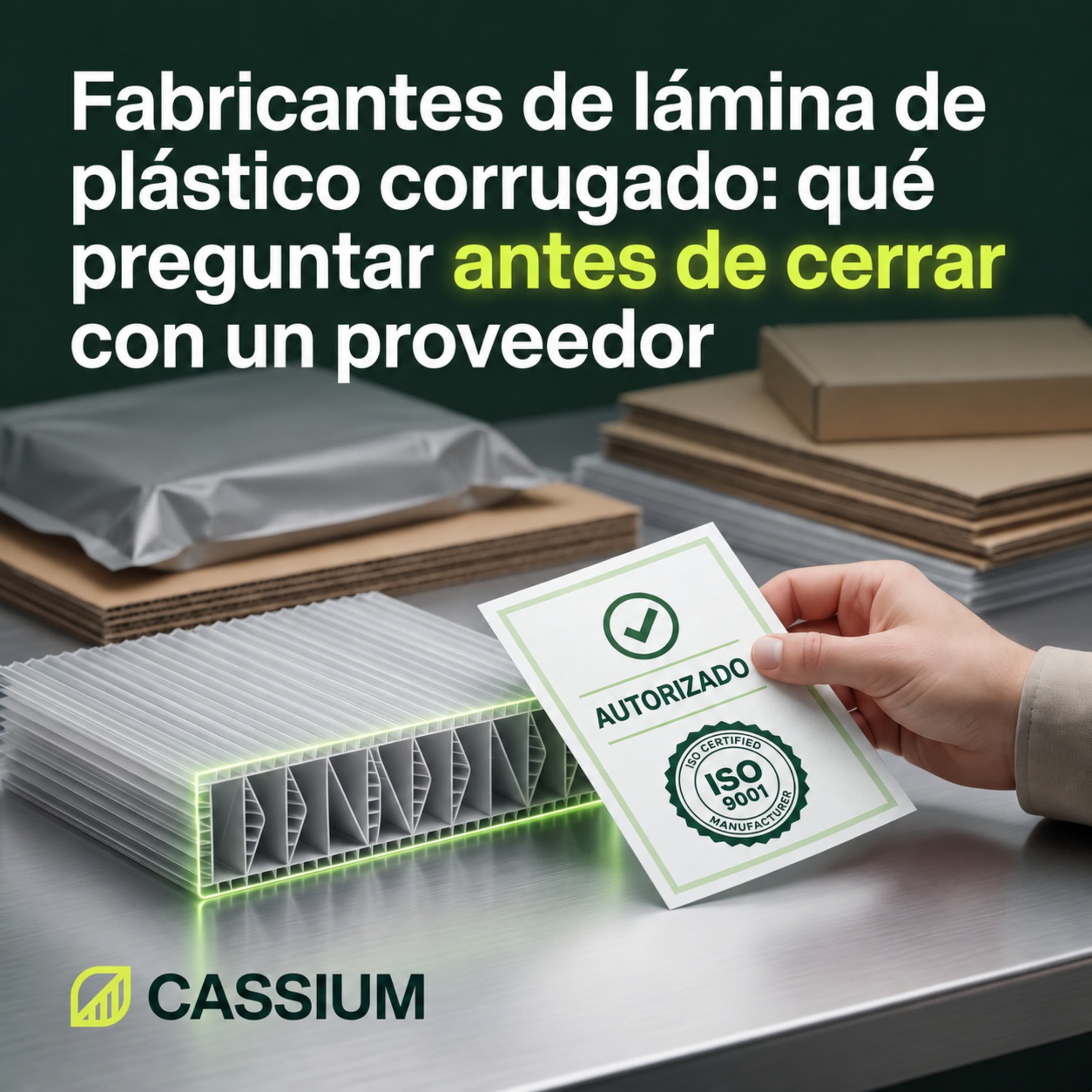
Corrugated Plastic Sheet Manufacturers: What to Ask Before Signing With a Supplier
Before you sign, verify whether the supplier extrudes the sheet in house, controls gauge under a certified quality system, and can sustain the volume and lead time your operation needs.
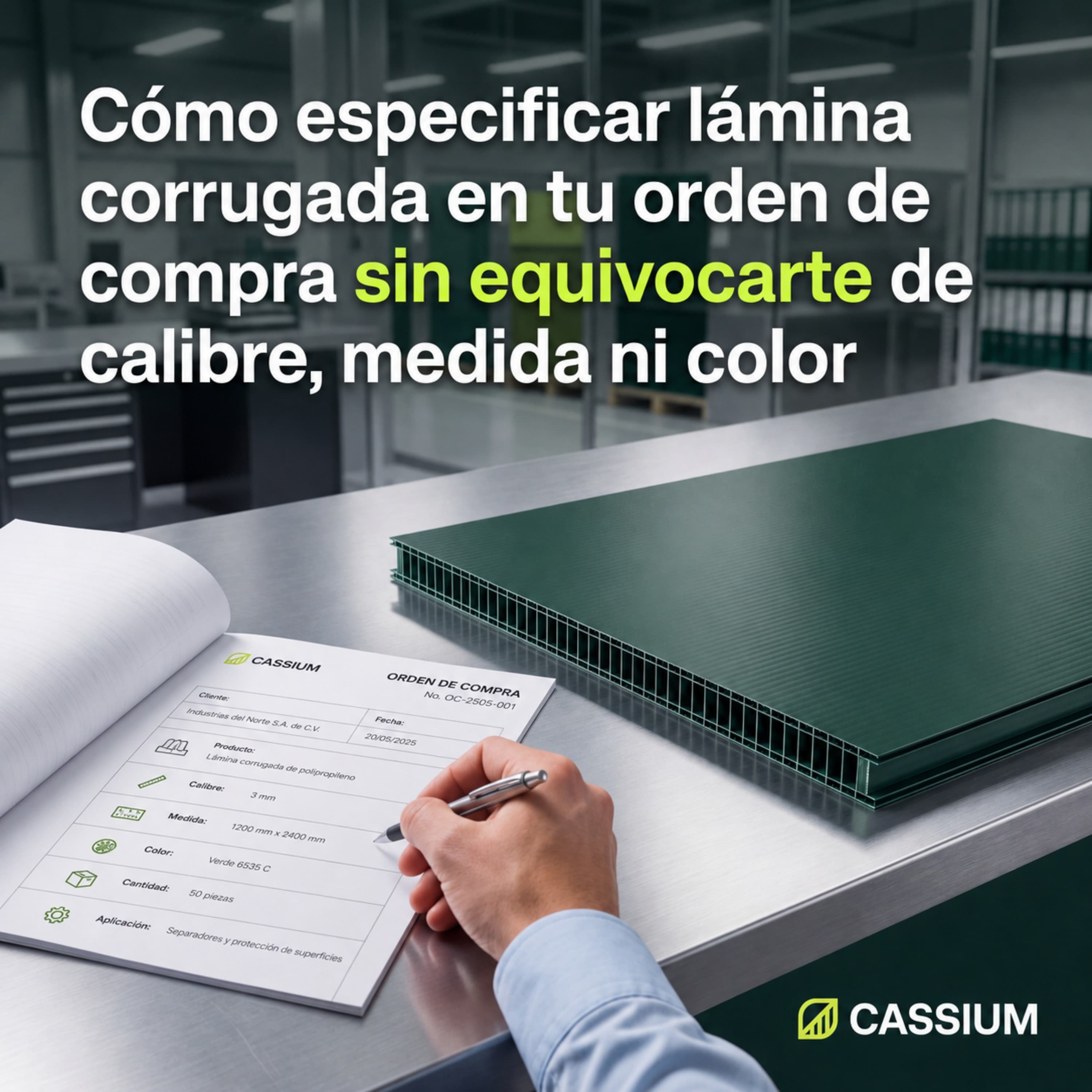
How to Specify Corrugated Sheet on Your Purchase Order Without Getting the Gauge, Size, or Color Wrong
Correctly specifying gauge, size, and variant on your corrugated sheet purchase order keeps an entire lot from arriving wrong. This guide details the exact fields your supplier needs before confirming production.
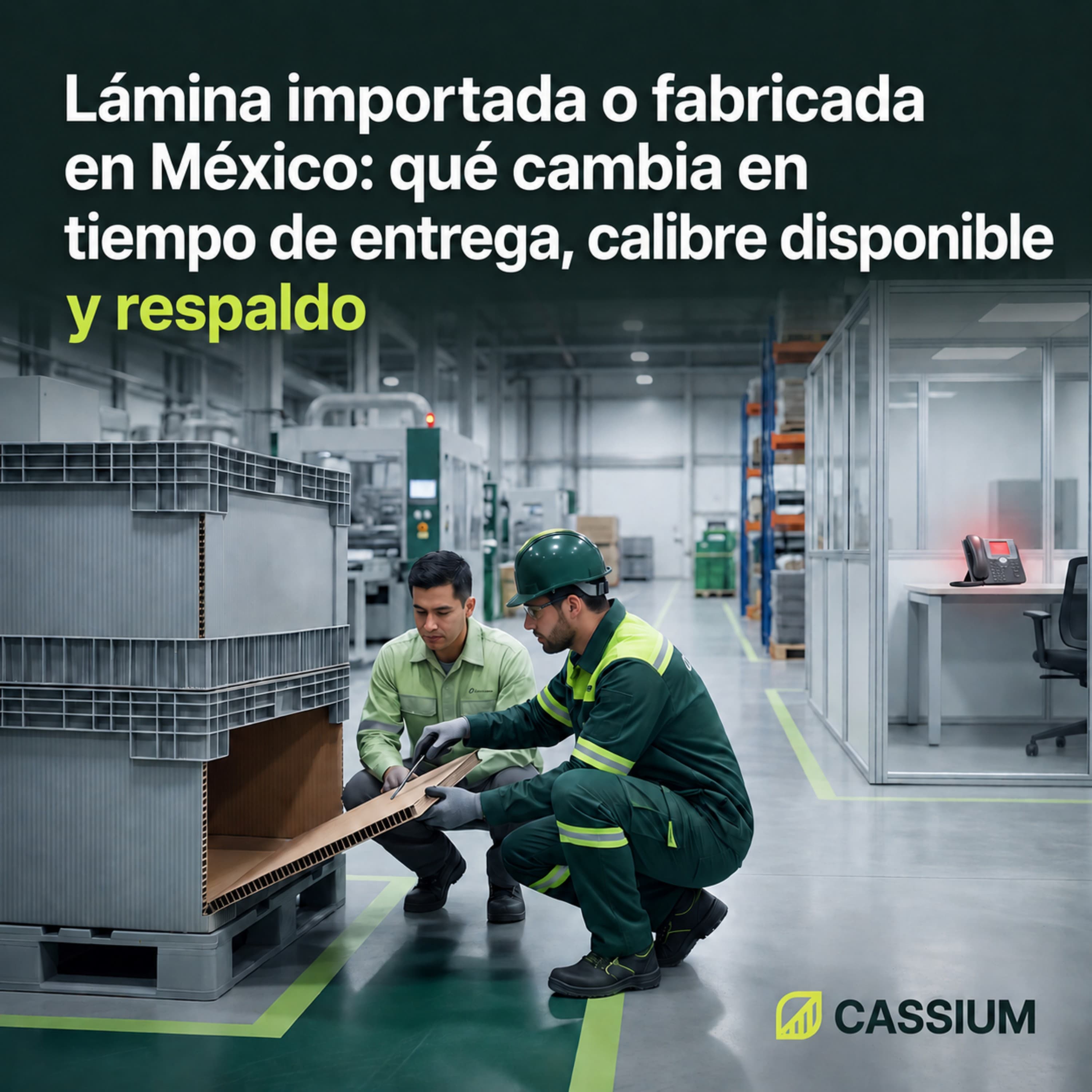
Imported or Mexican-Made Sheet: What Changes in Lead Time, Available Gauge, and Support
Corrugated polypropylene sheet manufactured in Mexico with in-house extrusion cuts lead time from weeks to days, keeps gauge available on-site, and offers direct technical support, without depending on shipping lines, customs, or intermediaries.
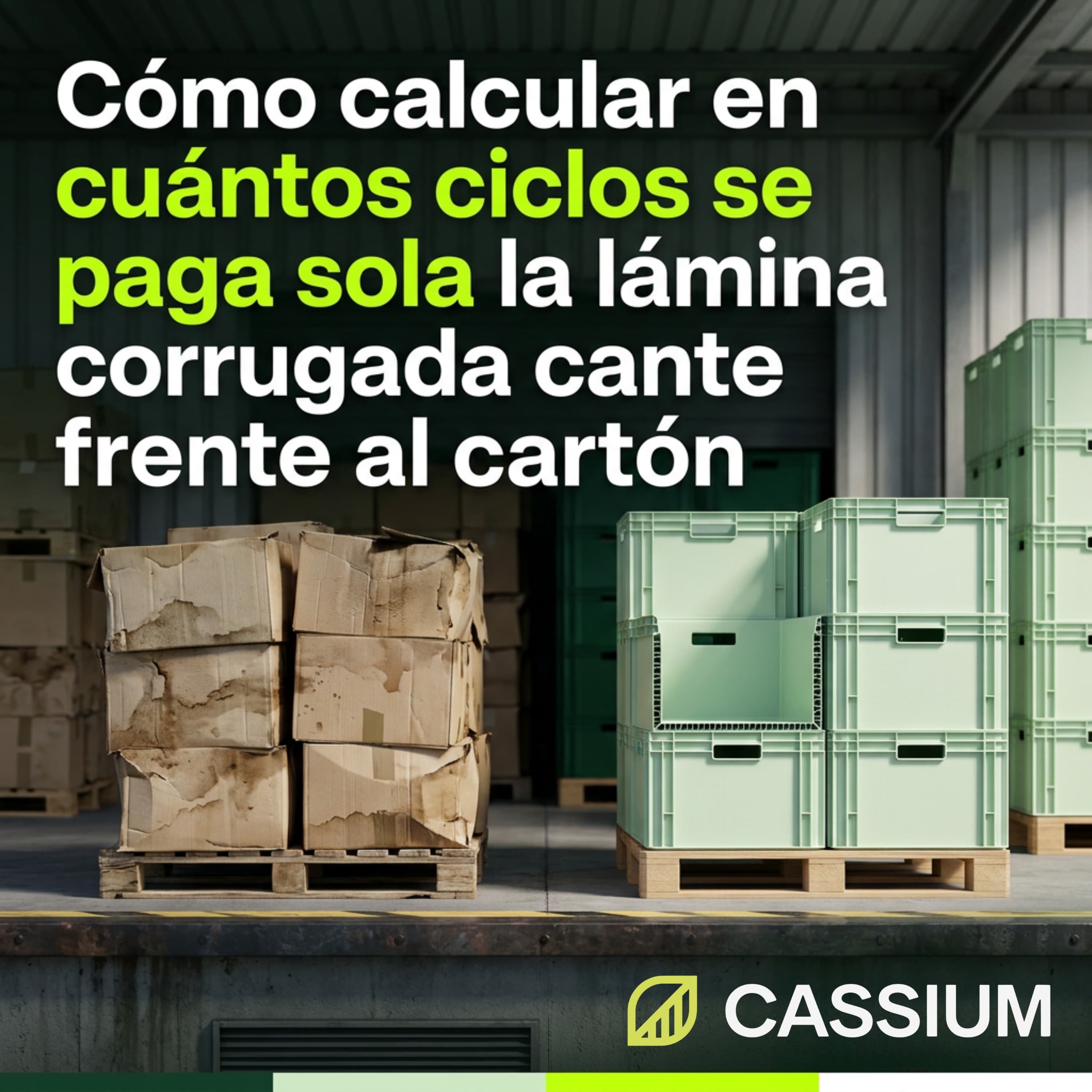
How to Calculate How Many Cycles It Takes for Corrugated Sheet to Pay for Itself Versus Cardboard
Corrugated polypropylene sheet pays for itself when you divide its cost by the savings it generates on each use cycle versus disposable cardboard, and the number of cycles you need depends on your gauge and your handling.
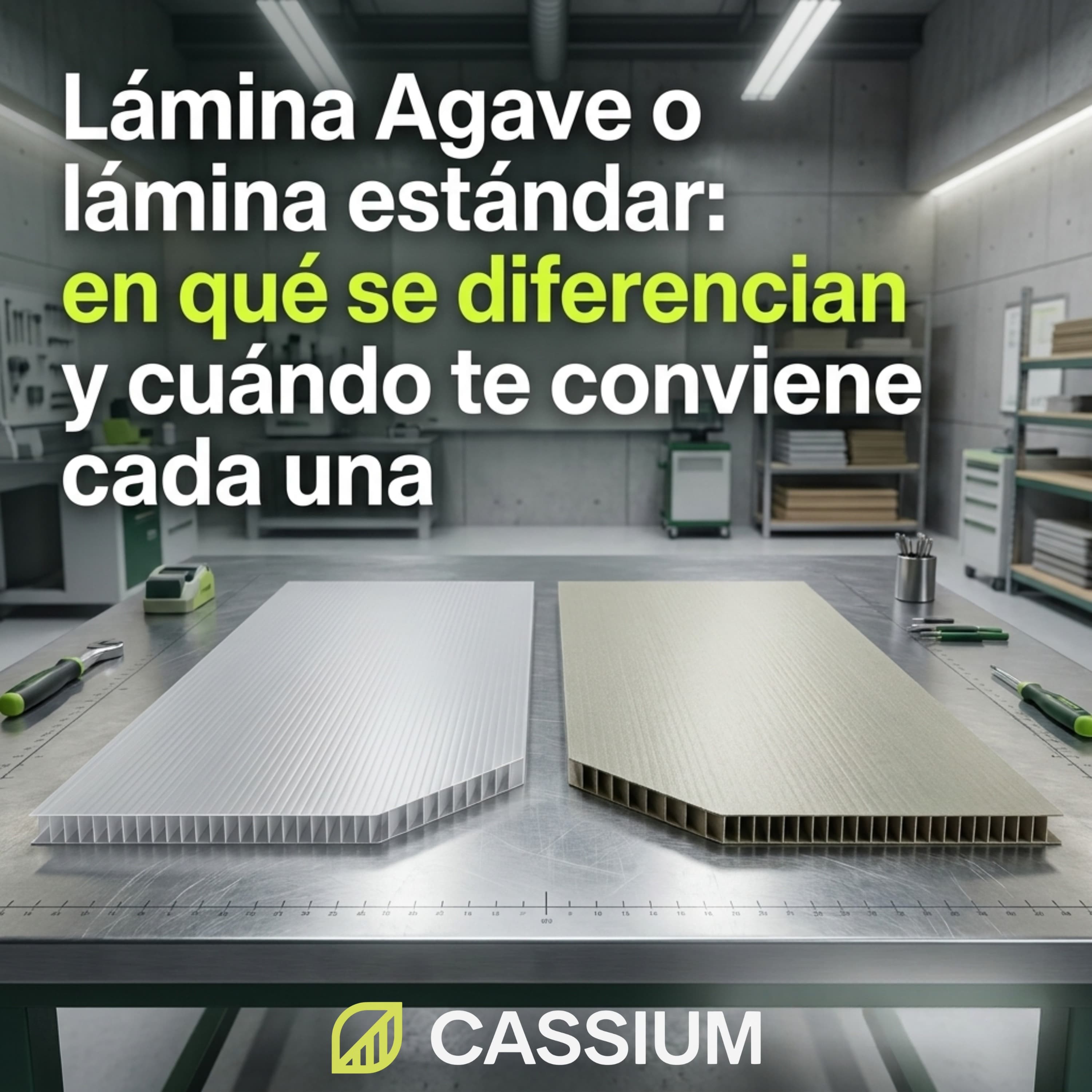
Agave Sheet or Standard Sheet: What Sets Them Apart and When Each One Makes Sense for You
Cassium's Standard and Agave sheets share the same corrugated polypropylene, but differ in surface finish. That difference determines whether your application needs visual presentation, intensive handling, or a tighter cost.
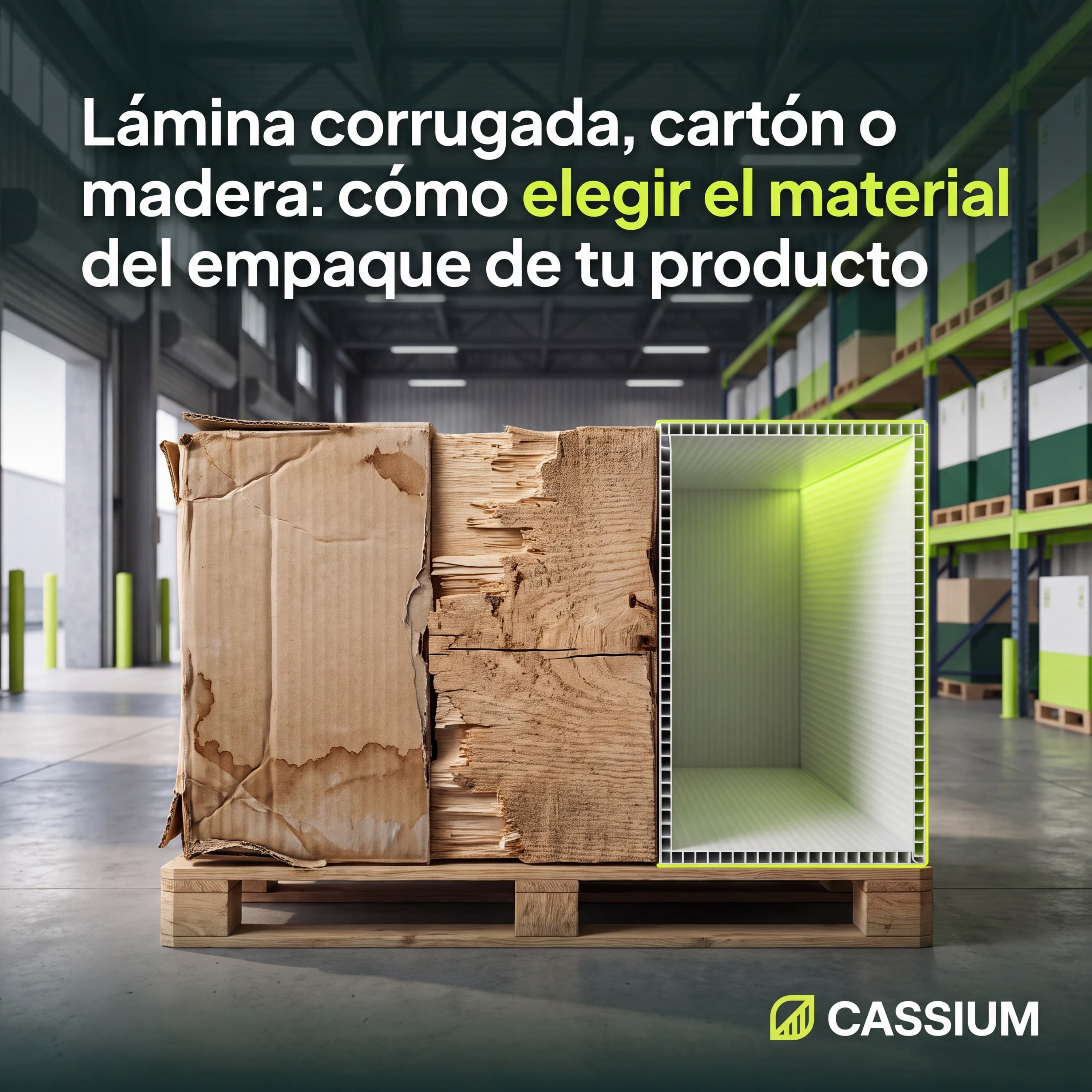
Corrugated Sheet, Cardboard, or Wood: How to Choose Your Product's Packaging Material
Cardboard, wood, and corrugated plastic sheet solve the same problem in very different ways. We compare all three beyond the initial purchase price to help you choose the right one.
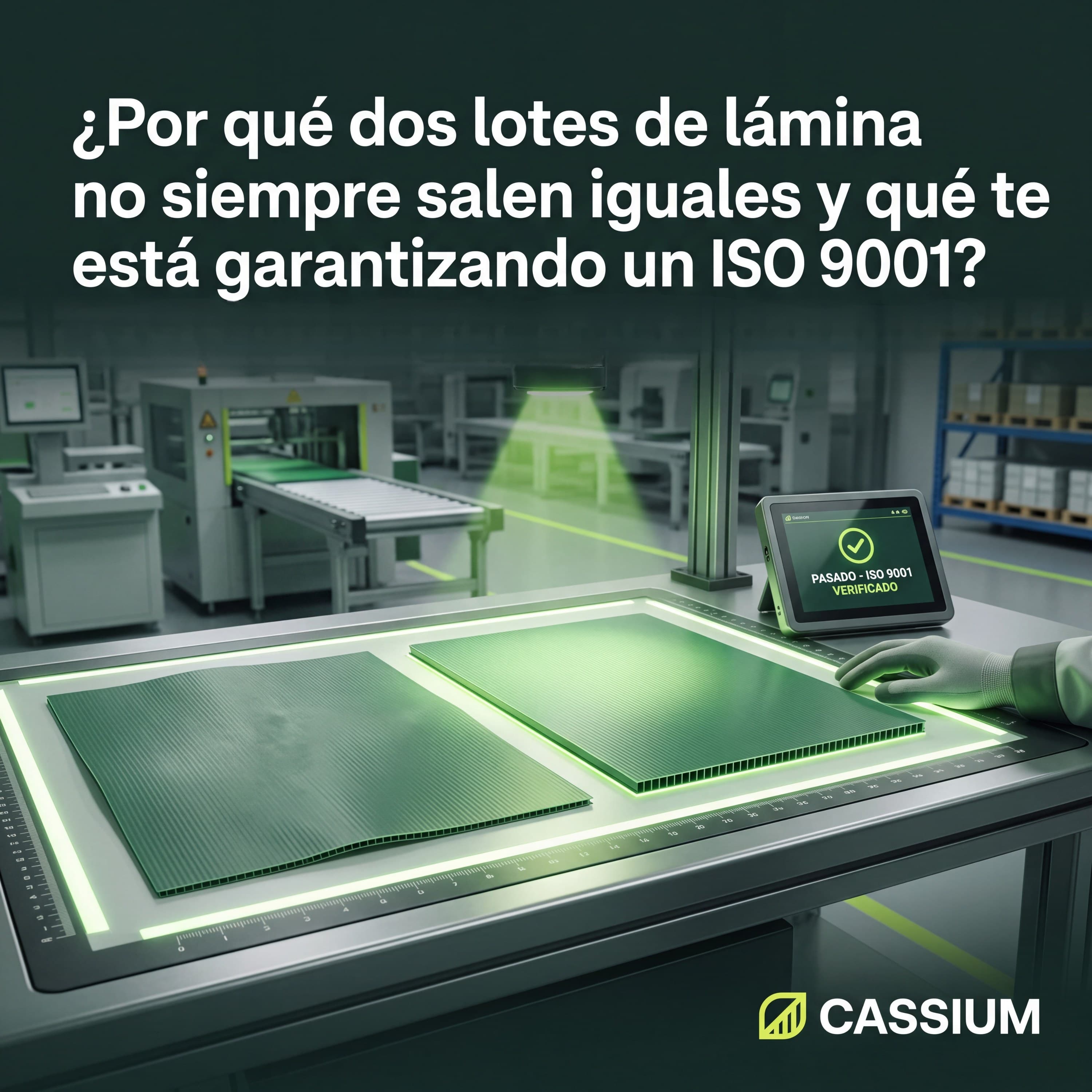
Why Don't Two Sheet Batches Always Come Out the Same, and What Does an ISO 9001 Actually Guarantee?
Variations between corrugated sheet batches come from raw material, extrusion, or quality control. A real ISO 9001, verified batch by batch, keeps that variation within a controlled range.
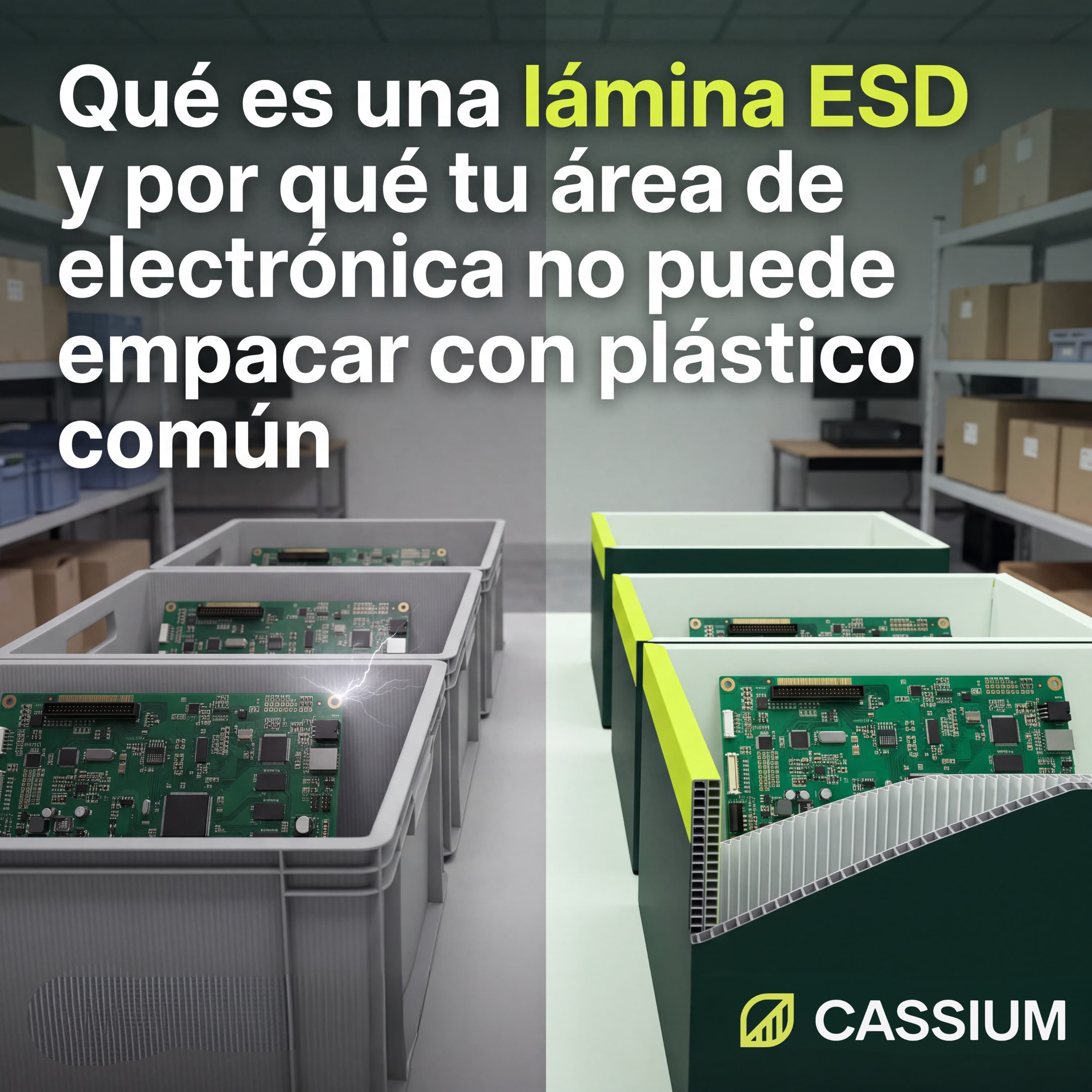
What Is an ESD Sheet and Why Your Electronics Area Can't Package with Common Plastic
An ESD sheet dissipates electrostatic charge instead of building it up, unlike standard corrugated plastic, which can damage a sensitive electronic component during packaging.
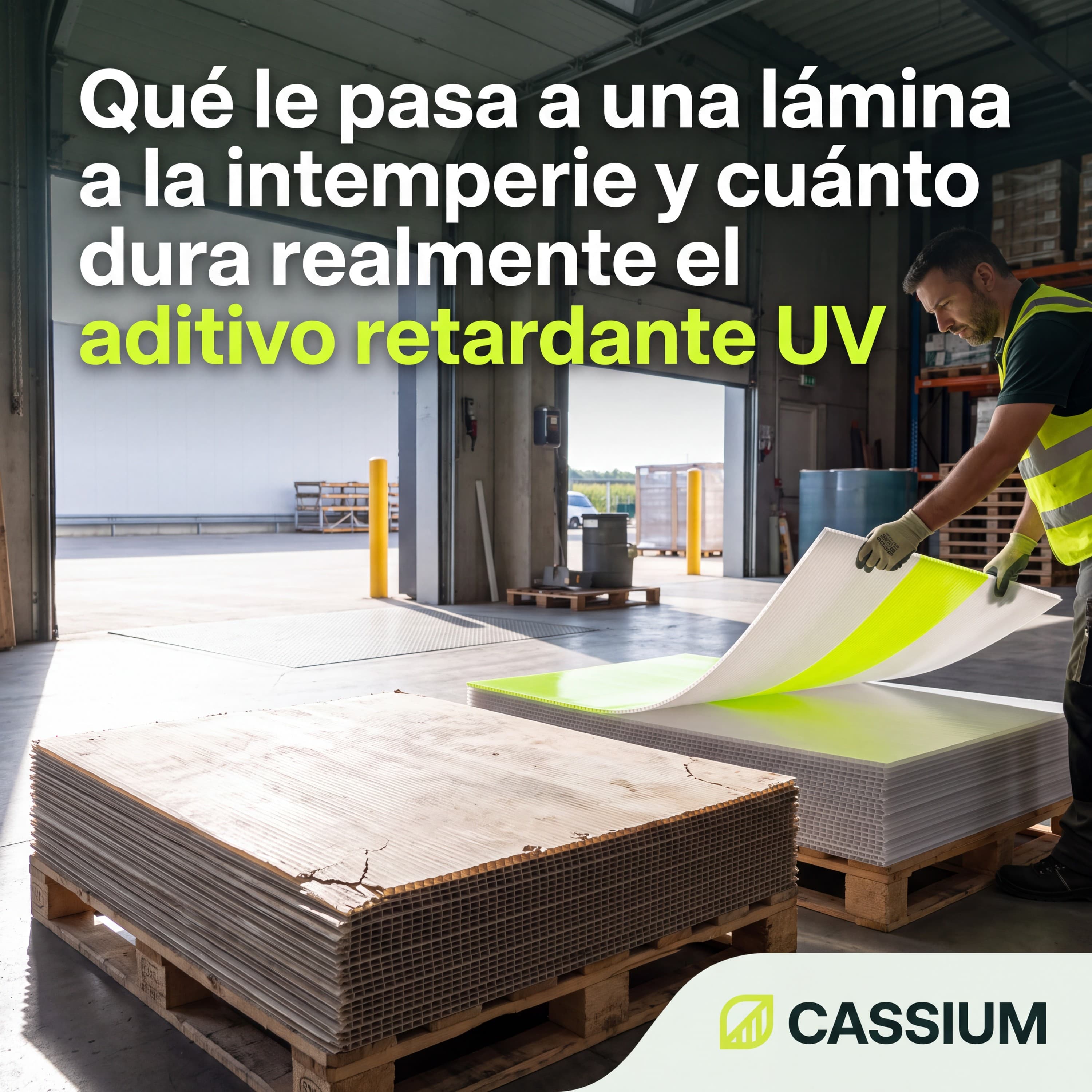
What Happens to a Sheet Outdoors and How Long the UV Retardant Additive Really Lasts
Without UV protection, corrugated plastic exposed to constant sunlight degrades, becomes brittle, and loses mechanical strength within months; the UV additive extends that lifespan.
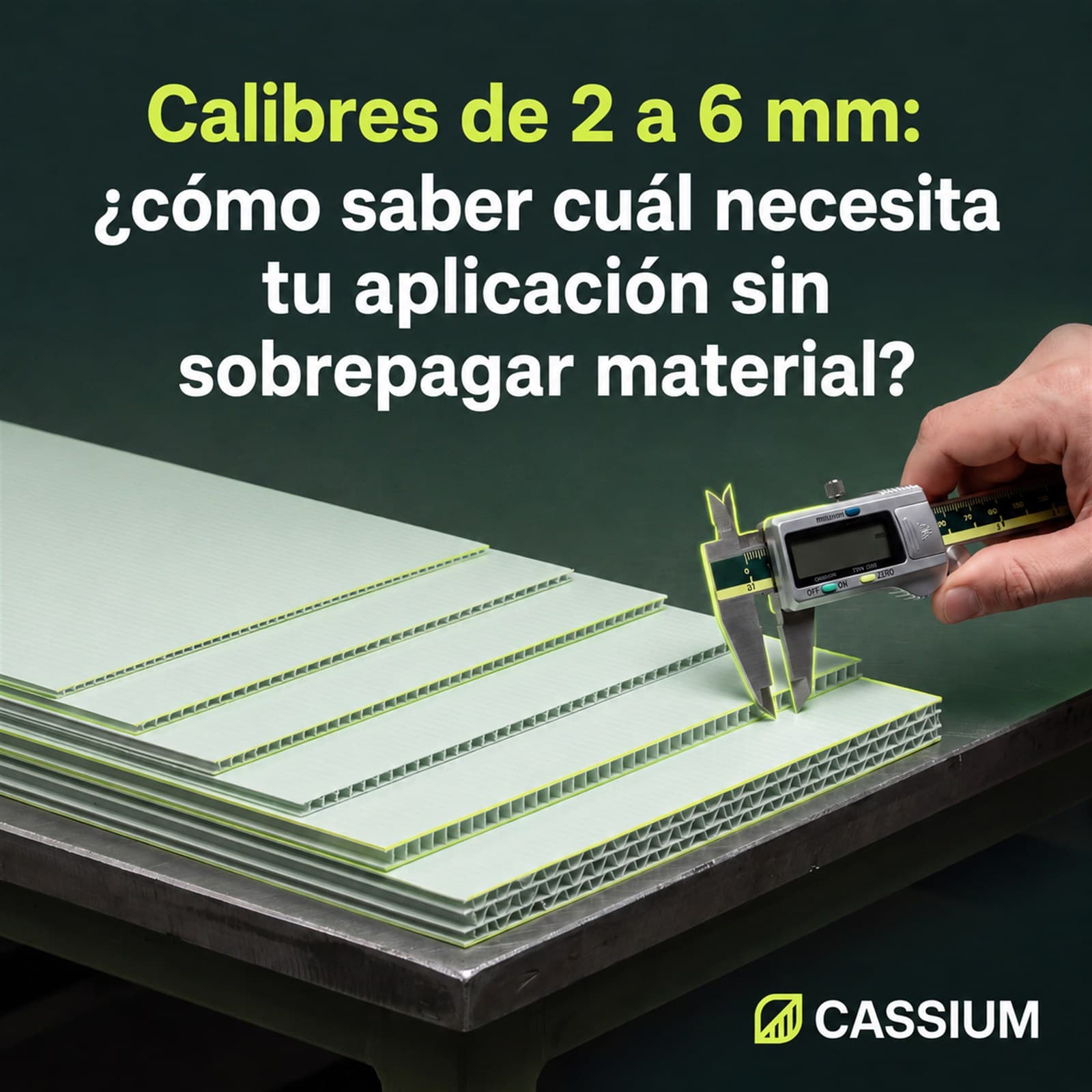
Gauges from 2 to 6 mm: How to Know Which One Your Application Needs Without Overpaying for Material
The right gauge depends on the weight the piece will carry, the type of handling it will receive, and whether it will go through wash cycles or prolonged exposure. Choosing out of habit almost always means overpaying.
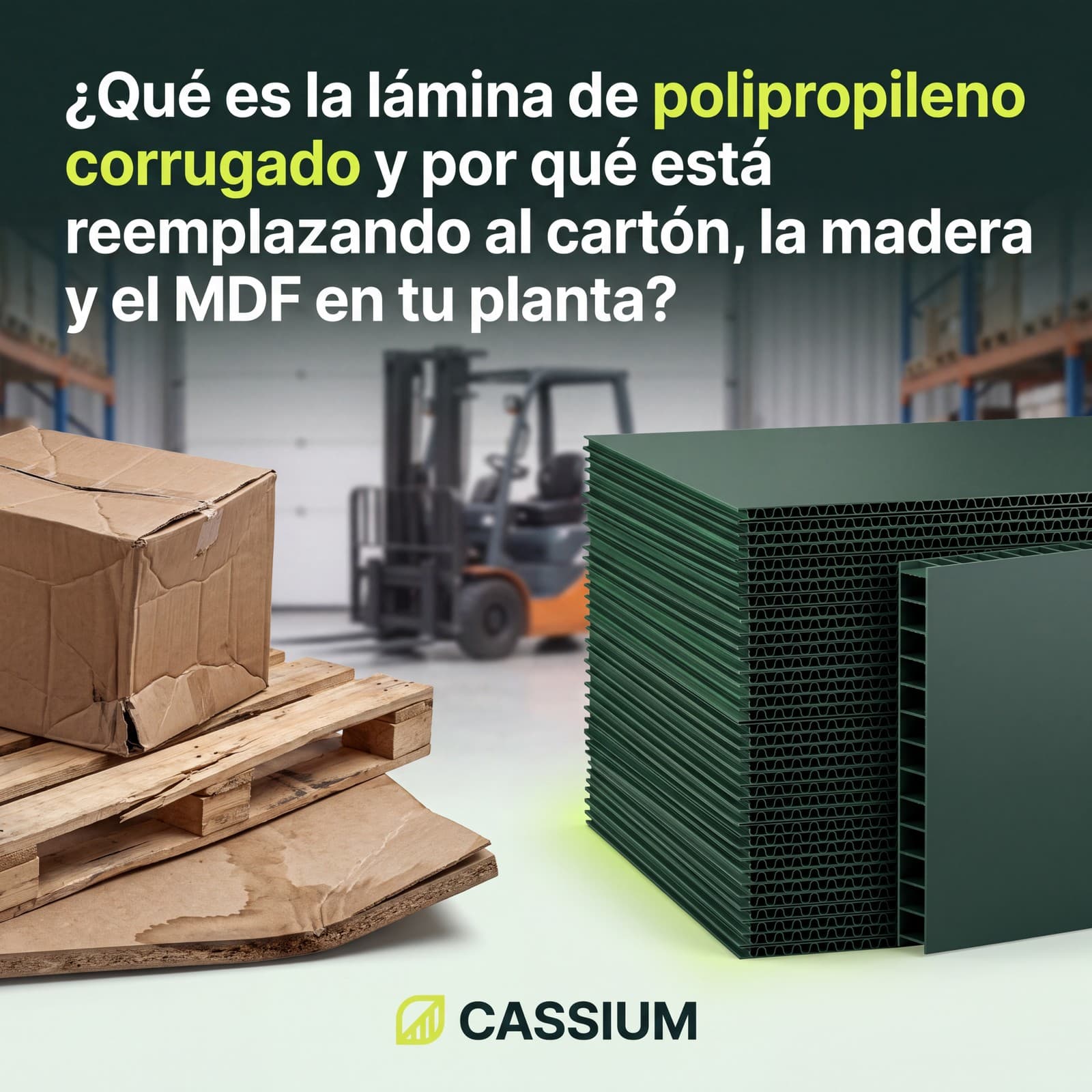
What Is Corrugated Polypropylene Sheet and Why Is It Replacing Cardboard, Wood, and MDF in Your Plant?
Corrugated polypropylene sheet is a structural, lightweight, moisture-resistant plastic that replaces cardboard, wood, and MDF in packaging and industrial applications that demand repeated cycles of rough use.
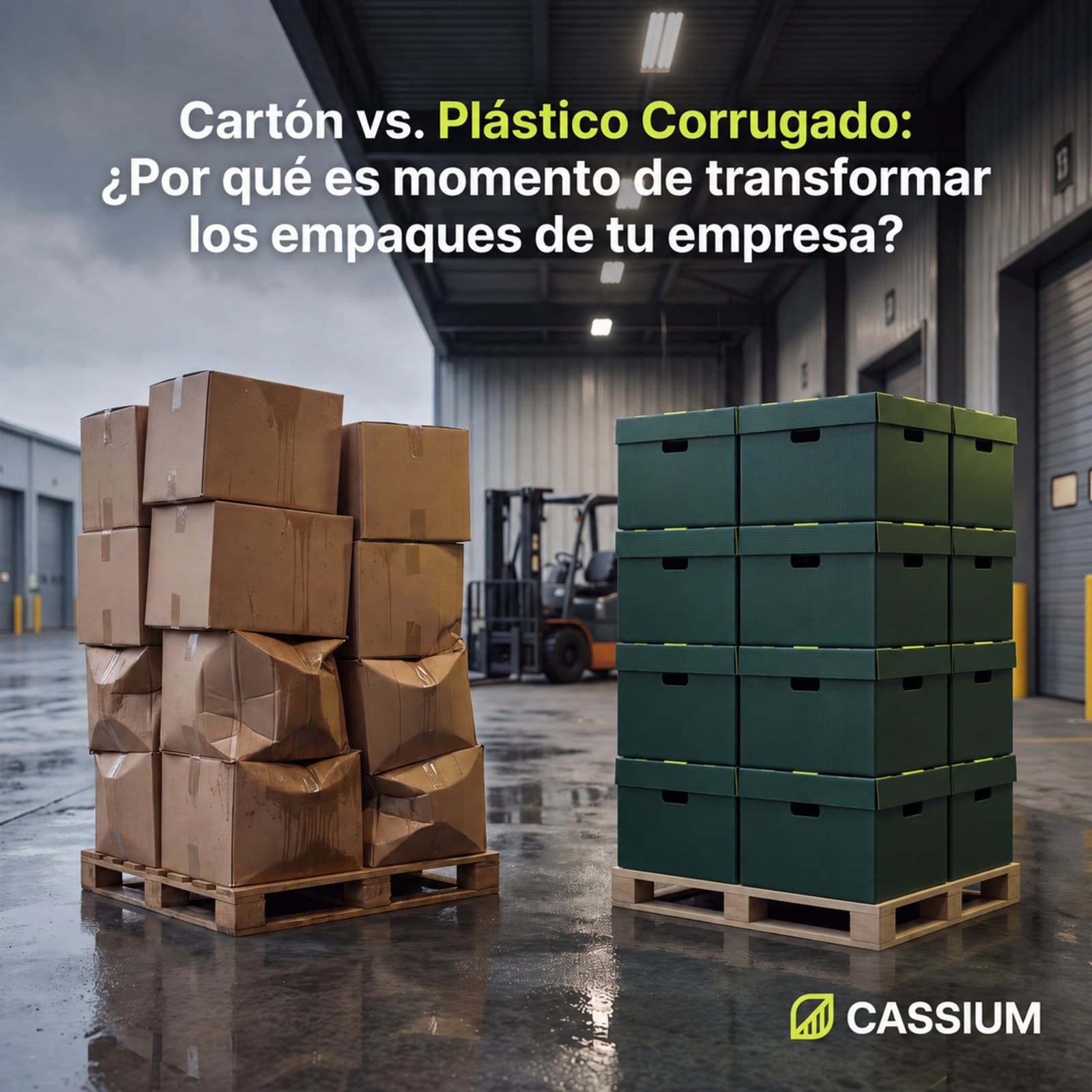
Cardboard vs. Corrugated Plastic: Why It's Time to Transform Your Company's Packaging
Cardboard is cheap per unit and expensive per cycle. When your packaging repeats trips inside a controlled route, corrugated plastic recovers its initial price within a few rotations.
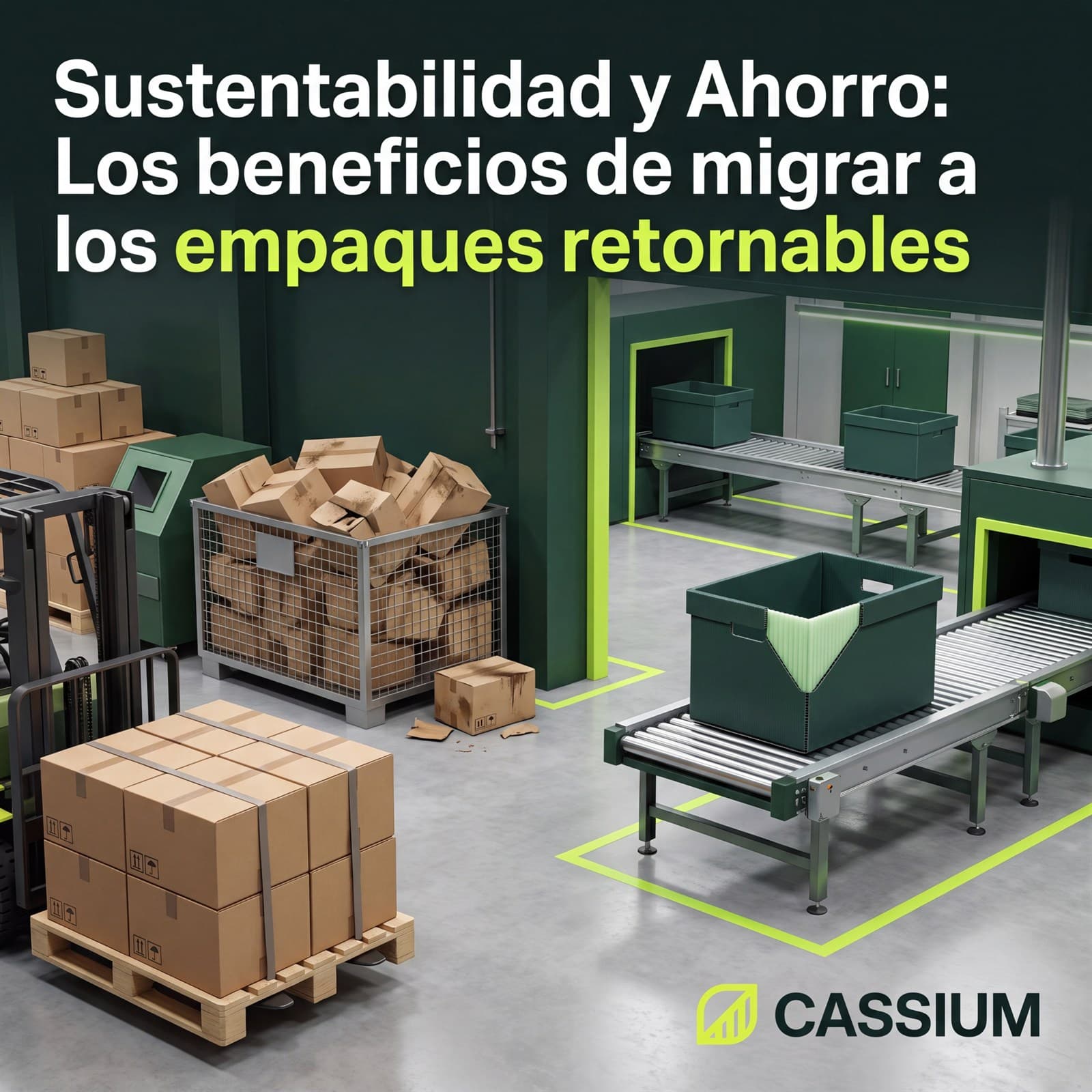
Sustainability and Savings: The Benefits of Migrating to Returnable Packaging
Disposable packaging generates two costs: purchase and disposal. A returnable system eliminates the second and dilutes the first across every trip the same piece makes.
The process starts with your message.